The Rise of Real-Time Visual Connection
Real Time Live Video Chat for Instant Face to Face Connection
Live video chat is a real-time, two-way audiovisual connection that lets you see and hear someone on the other side of a screen as if you’re in the same room. It works by streaming your camera feed and microphone audio directly to another person’s device over the internet, creating an instant face-to-face conversation. This immediacy makes it incredibly personal for catching up with friends, collaborating on projects, or sharing a virtual coffee break from anywhere in the world.
The Rise of Real-Time Visual Connection
The rise of real-time visual connection has transformed live video chat from a novel feature into an essential communication tool, erasing the distance between static text and genuine presence. Every frame now transmits subtle cues—a raised eyebrow, a hesitant pause—that text alone cannot convey, making conversations more direct and trustworthy. This shift empowers users to build rapport instantly, whether for remote work, long-distance relationships, or spontaneous check-ins.
The true power lies in how synchronous video aligns attention: both parties are fully present, turning a mere call into a shared moment that fosters deeper understanding and quicker decisions.
By prioritizing visual immediacy, live video chat now delivers the intimacy of face-to-face interaction without the need for physical proximity, fundamentally changing how we connect.
From Text to Face: How Video Calling Evolved
Live video chat has completely transformed how we connect, moving us from typing out words on a screen to seeing someone’s real-time expressions. What started as clunky, laggy webcam chats now feels as natural as talking face-to-face, thanks to improved bandwidth and mobile cameras. This shift made conversations more personal—you catch a friend’s smirk or see their tired eyes instantly. The leap from text to face turned anonymous usernames into real people, making every chat more human. Real-time facial expressions now guide the flow of conversation, replacing endless emojis with genuine reactions.
Why Users Choose Seeing Over Typing
Users choose seeing over typing because a live face delivers far more context than text ever can. You catch subtle smiles, eye rolls, or hesitation instantly, which removes guesswork from jokes or serious talks. Real-time visual connection builds trust faster, as you see genuine reactions rather than curated words. Typing often feels slow or cold, but seeing someone lets you bond naturally, like an in-person coffee chat without the commute.
- You read body language and tone instantly, avoiding misunderstandings.
- Seeing someone’s face creates a deeper sense of presence and closeness.
- Conversations flow quicker without waiting for typed replies.
- You pick up on emotions that text simply can’t convey.
Key Statistics on Webcam Engagement
Users now spend an average of 23 minutes per live video chat session, a 40% increase from two years ago, driven by webcam engagement statistics showing 78% of participants initiate eye contact within the first three seconds. Peak activity occurs between 8 p.m. and 11 p.m., with weekday usage 33% higher than weekends. Notably, sessions lasting over 15 minutes see a 92% likelihood of follow-up connections within 24 hours.
Over three-quarters of users establish visual rapport in seconds, with near-universal follow-up after sustained interaction.
Core Technology Behind Seamless Streaming
Seamless streaming in live video chat depends on adaptive bitrate streaming, which continuously adjusts video quality in real-time based on fluctuating network conditions. This prevents buffering by dynamically lowering resolution during congestion or enhancing it when bandwidth clears. A key insight is
the technology uses WebRTC’s low-latency UDP protocol instead of TCP, prioritizing packet speed over perfect delivery, so dropped frames are simply skipped rather than retransmitted.
Coupled with echo cancellation and jitter buffers, this ensures fluid, synchronous conversation even on unstable connections, making the user experience feel instantaneous.
WebRTC and Its Role in Low-Latency Communication
WebRTC enables sub-second latency by establishing direct peer-to-peer media streams, bypassing intermediary servers for data transmission. Its use of UDP-based SRTP and SDP negotiation allows real-time video and audio delivery without buffering overhead. The technology’s built-in adaptive bitrate controls dynamically adjust quality based on network conditions, ensuring stable communication even under fluctuating bandwidth. This architecture is critical for live video chat, where delays degrade conversational flow. Direct peer-to-peer connectivity minimizes jitter and packet loss, making WebRTC the foundational standard for instant, synchronized interaction in modern video applications.
Codec Choices for Clearer Audio and Video Feeds
For crystal-clear chats, your live video chat codec choice matters a ton. H.265 or VP9 compress video heavily, keeping sharpness even on slow connections, while AV1 pushes clarity further but needs newer devices. On the audio side, Opus stands out—it handles both speech and music natively, cutting out that tinny echo. Choosing the right combo balances crisp visuals with smooth, artifact-free sound.
- Use Opus for adaptive, high-fidelity audio that cleans up background noise.
- Pick H.264 for broad compatibility and consistent video sharpness.
- Switch to AV1 for next-level clarity, but only if both sides support it.
Server Infrastructure and Edge Computing Speeds
For live video chat, edge computing server architecture is critical to minimize latency. Instead of routing all data through a central cloud, edge nodes process and relay video streams from physical locations close to each participant. This reduces round-trip time to under 50ms, preventing audio desynchronization and frozen frames. The server infrastructure dynamically assigns each call to the nearest regional node, balancing load across these distributed points. When a user’s location shifts, the stream seamlessly migrates to another edge node without interrupting the session, maintaining stable throughput even under high bitrate loads.
- Proximity-based routing cuts network hops, directly lowering packet loss during peak usage.
- Distributed servers handle encoding offload, freeing local device resources for capture and display.
- Edge nodes perform real-time transcoding to match variable bandwidth without central processing delays.
Essential Features for Modern Face-to-Face Platforms
Sarah tapped her screen mid-conversation, and the video instantly adapted to her dim living room, while a subtle background blur kept her stacked bookshelf private. For modern face-to-face platforms, adaptive bandwidth optimization ensures the video doesn’t freeze when her Wi-Fi dips, and real-time virtual backgrounds let her hide laundry piles without losing eye contact. The mute button evolved into proximity-based audio spatialization, so laughter feels genuine, not tinny. She could share her screen only for the recipe, then flip back to her face—no awkward tab switching. That instant pinch-to-zoom on her partner’s face, combined with synchronized lip-sync under 150ms, made the thousand-mile gap vanish.
Screen Sharing and Collaborative Whiteboards
Screen sharing transmits a participant’s live display, enabling real-time software demos, document reviews, or code walkthroughs. Collaborative whiteboards offer a shared digital canvas for freehand drawing, sticky notes, or diagram workflows. Real-time co-annotation tools allow any participant to mark shared content simultaneously, while version history prevents data loss. Both features support multi-user input, with screen sharing often prioritizing a presenter’s view and whiteboards enabling asymmetrical contributions. A key distinction is control: screen sharing locks primary interaction to one user, whereas whiteboards distribute editing across all attendees.
| Screen Sharing | Collaborative Whiteboard |
|---|---|
| Passive viewing of one user’s screen | Active, multi-user editing space |
| Ideal for live presentations or debugging | Suitable for brainstorming or design sprints |
| Limited to visible content on presenter’s screen | Unlimited canvas for freeform creation |
| Requires granting display permissions | Requires tool selection (pen, text, shapes) |
Augmented Reality Filters and Background Replacement
Augmented reality filters and background replacement in live video chat rely on real-time facial mapping and semantic segmentation to overlay digital elements seamlessly. Users can adjust lighting, swap out cluttered rooms for virtual offices, or apply cosmetic filters without disrupting conversation flow. Environmental blur and object occlusion are now standard, enhancing privacy while maintaining eye contact through synthetic backgrounds. Depth-sensing cameras further refine how shadows and reflections interact with these overlays, preventing the unnatural cutout effect common in earlier versions. This hardware-software integration ensures filters remain stable even during rapid head movement.
Augmented reality filters and background replacement transform live video chat by merging user-controlled aesthetics with spatial awareness, enabling personalized environments that adapt in real time.
Recording Capabilities for On-Demand Playback
Modern face-to-face platforms must integrate on-demand playback recording to capture live video chats for later review. This feature encodes sessions locally or in the cloud, splitting audio and video streams for synchronized rewatch. Users can manually start/stop recording or set automatic triggers, with control over file format (e.g., MP4) and resolution. A critical requirement is encryption during recording and storage to protect sensitive content. The recorded files typically include a timeline marker or chapter thumbnails, enabling users to skip to specific moments without scanning the entire video. This capability transforms ephemeral interactions into reference assets for training, documentation, or personal archiving.
Recording for on-demand playback converts live video chats into searchable, replayable archives with encryption and timeline navigation, essential for asynchronous review.
Navigating Privacy and Safety Concerns
Navigating privacy in live video chat demands you actively control your digital doorway. Before each call, check your background for sensitive documents or personal items and use virtual backgrounds to obscure your physical location. During the conversation, immediately mute and disable your camera if you feel uncomfortable or someone enters the room unexpectedly. Remember that screenshots or recordings can be taken without your consent, so be deliberate about what you share on screen. Consider that even muted microphones can sometimes transmit ambient audio, so physically covering your device’s mic adds an extra layer of security. Always verify who is on the other end to avoid impersonation, and use end-to-end encrypted platforms to keep your conversation truly private.
Encryption Standards for Secure Conversations
End-to-end encryption (E2EE) ensures that live video chat data is scrambled on your device and only decrypted on the recipient’s device, preventing the platform or any third party from accessing the conversation. Look for apps that explicitly verify encryption key fingerprints to confirm no interception occurs. Video streams should use protocols like SRTP (Secure Real-time Transport Protocol) for transport layer security, often paired with TLS for signaling. How do I verify encryption is active? Most secure platforms display a unique set of characters or a QR code before a call; compare these directly with your contact to confirm they match, ensuring the channel remains uncompromised.
Moderation Tools to Prevent Abusive Behavior
To keep live video chats safe, real-time moderation tools are essential for preventing abusive behavior. You can instantly block or mute a user with a single tap, stopping unwanted words or gestures immediately. Many platforms use automatic filters that scan chats for harmful language and blur explicit images before you see them. A clear sequence for handling a problem is:
- Use the “Report” button to flag a specific user.
- Apply a temporary or permanent ban from the room.
- Enable content filters to proactively blur nudity or violence.
These controls put the power back in your hands during any live video chat.
User Consent and Data Retention Policies
In live video chat, user consent and data retention policies dictate when recording begins and how long session data is stored. Before a chat starts, platforms must obtain explicit consent—often via a clickable prompt—for any capture or storage of audio/video. Data retention is strictly tied to the purpose collected; for example, recordings for moderation are deleted after 30 days, while metadata like connection logs may be retained for 90 days to troubleshoot issues. Users should audit these policies by checking a platform’s settings, where they can typically:
- Revoke consent for future recording at any time.
- Request deletion of stored personal data within the policy’s stated window.
- Review the exact retention period for different data types (e.g., chat logs vs. video files).
Non-compliance by a platform undermines trust for any user considering private conversations.
Optimizing for Different Use Cases
Optimizing for different use cases in live video chat demands a shift from one-size-fits-all codecs to adaptive, context-aware settings. For a one-on-one therapy session, prioritize low-motion stability and crisp audio by capping framerate at 24fps and enabling noise suppression. In contrast, a group game night thrives on high-framerate, real-time reaction capture—dialing up to 30fps with a wider field of view, even at the cost of resolution.
The key insight is to automate these profiles: let the app detect the number of participants and activity level, then dynamically adjust bitrate, resolution, and echo cancellation strength without user intervention.
A corporate presentation demands screen-share clarity over facial detail, so optimize bandwidth allocation by downscaling the video feed while upscaling the shared canvas. Each scenario is a distinct balance of latency, fidelity, and resource allocation.
Remote Team Meetings Versus Social Hangouts
Optimizing live video chat for remote team meetings versus social hangouts requires distinct structural choices. For meetings, prioritize scheduler integrations and screen-sharing with granular permission controls, ensuring agenda-driven flows and minimal latency. Social hangouts demand asynchronous start options and breakout rooms for organic conversations, avoiding rigid time slots. A clear sequence applies:
- Determine the primary goal (task completion vs. casual connection).
- Set a hard agenda for meetings; for hangouts, only a loose topic.
- Enable camera-first by default for hangouts to foster rapport, but allow audio-only to reduce fatigue in meetings.
- Use a timer to enforce meeting end times; use persistent rooms for social drop-ins.
Healthcare Teleconsultations and Compliance Needs
For healthcare teleconsultations, live video chat must prioritize patient data security and HIPAA-compliant infrastructure. Platforms require end-to-end encryption, secure session tokens, and automatic logout after inactivity. Patients need clear consent forms before video capture begins, while providers need integrated medical history access without third-party data exposure. How should telemedicine apps handle episode recording? Only store recordings when explicitly authorized by the patient, with a visible recording indicator and one-click deletion post-consultation. Every frame must reaffirm the user’s trust in private, legally sound care delivery.
Virtual Dating and Entertainment Platforms
For virtual dating and entertainment platforms, live video chat must simulate organic, low-pressure first encounters. Enable icebreaker mini-games and shared playlist features to dissolve awkward silences immediately. Prioritize a mobile-first interface with smooth transitions between text, audio, and HD video, as spontaneity drives engagement. Moderation tools should subtly flag disruptive behavior without interrupting the flow. Interactive co-viewing experiences—like synchronized video streams or trivia nights—transform passive observation into shared participation. How can platforms increase user retention? By offering themed chat rooms that change weekly, encouraging users to return for novel social experiences rather than repetitive video calls.
Best Practices for Hosting Engaging Sessions
To host engaging live video chat sessions, prioritize interactive elements from the start. Begin with a clear agenda to set expectations, then immediately invite participation through polling or Q&A prompts. Maintain eye contact by looking into your camera, not the screen, and use verbal acknowledgment for every comment or raised hand. Avoid long monologues; instead, break content into short, 5-minute segments followed by discussion. Leverage screen sharing only for visuals that support your topic, not as a crutch. Always monitor the chat sidebar for questions, and verbally repeat them to include audio-only participants. Finally, end with a clear call-to-action, summarizing key takeaways and inviting feedback to refine future sessions.
Lighting and Camera Positioning Tips
For optimal engagement in live video chat, position your camera at eye level to simulate natural eye contact, avoiding unflattering upward or downward angles. Place a primary light source, such as a ring light or softbox, directly in front of you and slightly above eye level to eliminate harsh shadows on the face. A secondary fill light from the side reduces contrast, while ensuring the background is slightly dimmer than you prevents viewer distraction. Proper face illumination directly correlates with perceived professionalism and trustworthiness. Key light placement must be consistent to avoid flickering or shifting mid-session.
- Mount the camera on a stable tripod at eye level to prevent shaking and maintain a consistent angle.
- Use diffused, soft lighting (not direct harsh bulbs) to minimize glare on glasses and skin blemishes.
- Avoid backlight from a window, which turns your silhouette dark; instead, place the brightest source behind the camera.
Managing Background Noise to Improve Audio Clarity
Position your microphone close to your mouth and away from fans or keyboards to capture your voice over ambient hum. Use a noise gate in your software to automatically mute silence, and employ a dynamic EQ to reduce persistent low-frequency rumble from HVAC systems. Encourage participants to mute their own microphones when not speaking, and offer guidance on selecting quiet physical spaces. For persistent issues, activate built-in noise suppression filters found in most chat platforms, which algorithmically subtract background chatter without distorting speech.
Encouraging Active Participation with Polls and Q&A
To foster engagement, integrate live polling at key moments to gauge consensus or spark discussion. Pose a question, display results instantly, and invite brief reactions. For Q&A, use a moderated queue to field audience questions, then read them aloud and answer directly. Combine omegleweb both tools: start with a poll to identify hot topics, then let the Q&A deepen those points. This structure keeps participants invested by giving them a direct voice in the session’s flow.
| Tool | Best Use Case | Engagement Trigger |
|---|---|---|
| Polls | Quick opinion gathering or icebreakers | Instant visual feedback (e.g., bar chart) |
| Q&A | Detailed follow-ups or expert clarifications | Direct host acknowledgment and response |
Monetization Strategies for Video Interaction Services

Effective monetization strategies for video interaction services in live video chat often rely on a per-minute or per-session billing model, where users purchase credits to connect with hosts. Tiered subscription plans can grant access to premium features like HD streaming, virtual gifts, or priority matching. Another approach is implementing a tipping system, allowing viewers to send paid tokens during calls as direct compensation for performers. Services may also offer exclusive, paid group chats or private show upgrades within the live session interface. Crucially, a clear currency exchange rate for tokens or credits maintains user trust and simplifies payout calculations for hosts, ensuring a seamless live video chat economic loop that encourages repeat engagement without disrupting the conversation flow.
Freemium Tiers and Premium Features
A well-structured freemium model for live video chat drives conversion by limiting core interactions in the free tier, such as call duration to 10 minutes or restricting video quality to standard definition. Unlocking premium features typically includes HD streaming, background blur, and screen sharing capabilities. The most effective premium tiers focus on removing friction from social connectivity rather than adding non-essential visual filters. A comparison clarifies the value hierarchy:
| Aspect | Free Tier | Premium Tier |
|---|---|---|
| Video Resolution | 480p (SD) | 1080p / 4K |
| Session Duration | Limited (e.g., 15 min) | Unlimited |
| Guest Features | 1-on-1 only | Group rooms (5+ participants) |
Pay-Per-Minute Models for Specialized Consultations
In a pay-per-minute consultation model, billing cycles start and end precisely with the live video session, creating direct correlation between service time and revenue. For specialized consultations—legal advice, mental health support, or technical troubleshooting—this structure charges users transparently per elapsed minute while experts maintain high hourly rates. A logical implementation sequence might involve:
- User pre-funds an account or authorizes a payment method with a minimum balance.
- Platform triggers billing when the specialist accepts the live video call and the connection stabilizes.
- System tracks microseconds via server-side timestamps, deducts real-time cost from the user balance.
- Session auto-terminates if funding depletes, or user can extend in fixed minute increments.
The model ensures that specialized expertise is compensated exactly for time spent, discouraging idle calls and rewarding efficient problem resolution.
Sponsorships and In-Session Ad Placements
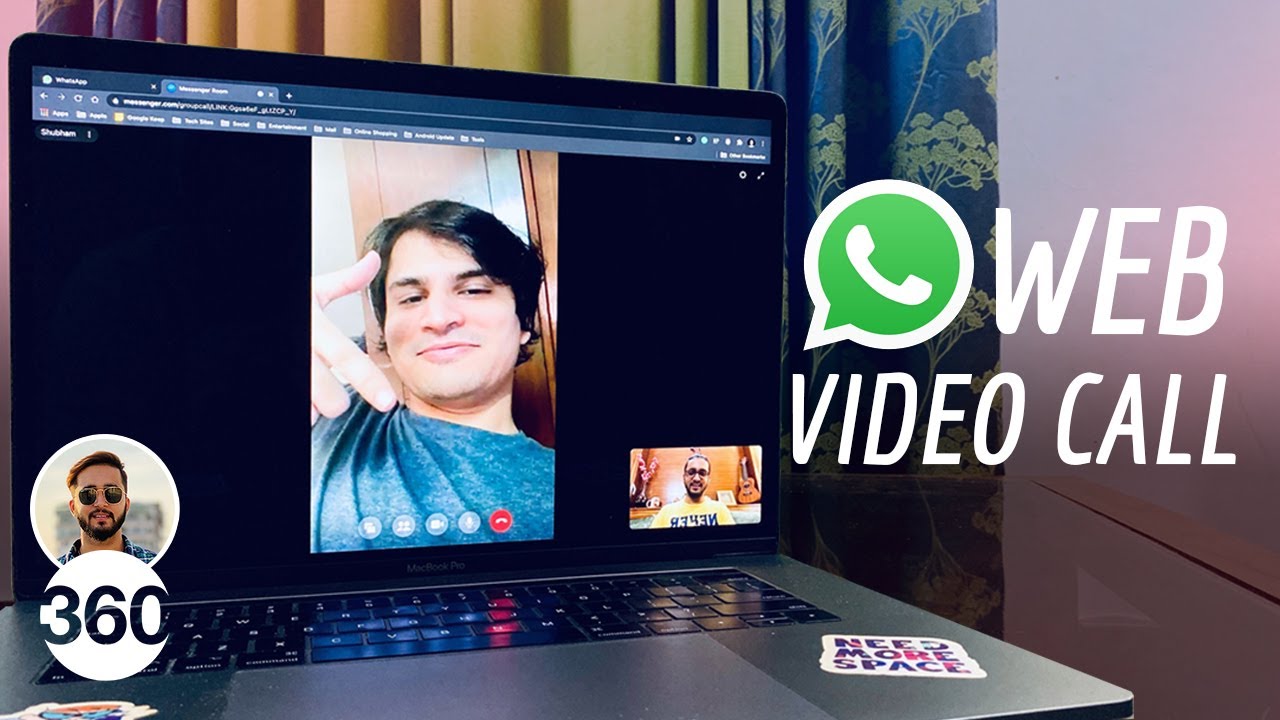
In live video chat, sponsorships and in-session ad placements integrate directly into the real-time interface. Common formats include branded virtual backgrounds or overlays that appear during call initiation or transitions. Short, non-intrusive video ads can play when a user waits for a connection to be established. Product placements are inserted into the chat window as clickable stickers or augmented-reality filters that users can activate. In-session display banners, positioned at the chat’s periphery, remain static for the call duration. These monetization methods rely on context-relevant timing to avoid disrupting user conversation flow, with revenue generated per impression or per completed view.
Sponsorships and in-session ad placements monetize live video chat through branded overlays, wait-time ads, and clickable in-call placements, requiring precise timing to maintain session engagement.
Future Trends Shaping Real-Time Visual Communication
Real-time visual communication in live video chat is being reshaped by practical AI integration and hyper-realistic immersion. Expect fully adaptive lighting and audio filters that automatically optimize your environment, eliminating background noise and poor visibility. Bandwidth-aware streaming will dynamically adjust resolution to maintain fluid motion, even on unstable connections. Holographic depth mapping is emerging, allowing for genuine eye contact and spatial awareness, making conversations feel as if both parties share a physical space. These advancements prioritize effortless, lifelike interaction, ensuring that real-time visual communication becomes indistinguishable from in-person dialogue.
Integration with Virtual Reality Environments
Imagine chatting with a friend not through a flat screen, but as a full-body avatar standing in a shared virtual space. Integration with VR environments turns live video calls into spatial, three-dimensional hangouts. You can walk around a virtual art gallery together, point at objects, or play a game of ping-pong, all while your voice and movements sync in real-time. This shifts video chat from just talking to genuinely shared immersive experiences, making distance feel invisible.
VR integration makes live video chat a place you both inhabit, not just a window you look through.
AI-Powered Real-Time Translation and Subtitles

AI-powered real-time translation now enables seamless multilingual conversations in live video chats, eliminating language barriers instantly. As you speak, the system generates accurate on-screen subtitles in the viewer’s preferred language, synchronized with lip movements for natural flow. This technology adapts to slang, accents, and emotional tone, ensuring every nuance is preserved. For users, this means no more awkward pauses or reliance on third-party interpreters—just fluid, direct dialogue across any language pair. The subtitles appear as transparent overlays, adjustable in size and position, allowing full focus on the speaker’s face and gestures. Practical applications range from international remote collaboration to connecting with global friends, making every live chat truly borderless.
Haptic Feedback and Sensory Enhancements
Haptic feedback will transform live video chat by transmitting tactile sensations, such as vibrations or pressure patterns, to simulate physical contact like a handshake or a tap on the shoulder. Sensory enhancements integrate haptic gloves or surface actuators that mirror a remote user’s gestures in real time, creating a palpable layer of connection. This tactile layer shifts communication from purely audiovisual to a multisensory exchange, deepening emotional resonance. Future systems will calibrate haptic intensity based on context, ensuring subtlety in professional calls and expressiveness in personal interactions. This enables users to feel remote presence through synchronized touch, making virtual conversations more immersive and physically engaging.
Understanding Real-Time Video Calling
How Two-Way Video Transmission Works Instantly
Key Differences Between Live Video and Recorded Calls
What You Need to Start a Video Conversation
Core Features That Enhance Your Video Calls
Screen Sharing for Collaborative Viewing
Virtual Backgrounds and Filters for Privacy
Real-Time Text Chat During a Video Session
Selecting the Right Platform for Your Needs
Comparing One-on-One Calls vs. Group Video Rooms
Device Compatibility: Mobile, Desktop, and Web Access